
Teaching a Stone to Talk
On reading Atiq Rahimi's The Patience Stone

My itinerary for this reading world tour is loose and ragged; I have a book penciled in for most everywhere in the world, but the picks aren’t written in stone. The decisions about what comes next are subject to the winds of availability and the whims of my own moods and fancies. I didn’t exactly have Afghanistan on my immediate radar, but, as has happened with a few other books on this list, Atiq Rahimi’s The Patience Stone more or less fell into my lap.
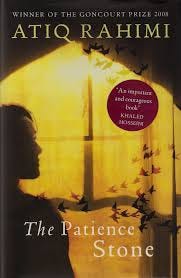
As it happens, I’m spending most of my audiobook time (my endless, Sisyphean work commutes up and down the interstates of South Carolina) with The Lord of the Rings. I’d read The Hobbit as the pick for England, which made me want to make another attempt at the LOTR trilogy, a massive undertaking I’d made an aborted attempt at decades ago and have been sort-of meaning to read for real ever since. A couple of reader friends reached out wanting to read it together in a small group, so the time seemed right. We took a week or so off between The Fellowship of the Ring and Book II, The Two Towers, and I was looking for something quick I might knock out in just a few commutes. This little book (just over four hours in audiobook form) popped up on the suggested reads in Hoopla, the digital library app I use for audio and e-books.
In addition to being a quick read (listen?) The Patience Stone checked a lot of boxes. For one, it was a good pick for Afghanistan, a country I didn’t really have concrete plans for. It also seemed to fit well with the gestalt of this project. I don’t have any rules about the kinds of writers I try to read beyond them being natives of the place their book represents, and I certainly don’t want to get precious about it, but I think it fits the ethos of Bookmark Planet to make sure there are a good many women represented on the booklist. That’s probably especially true of places where women are struggling against political and religious oppression. In the introduction of The Patience Stone, Khaled Hosseini writes “For far too long, Afghan women have been faceless and voiceless. Until now. With The Patience Stone, Atiq Rahimi gives face and voice to one unforgettable woman–and, one could argue, offers her as a proxy for the grievances of millions.” That quote, included in the Hoopla synopsis, was what drew me to this book.
Thus it was that I went into The Patience Stone thinking I was reading a book by a woman. Though I probably should’ve been tipped off by his name, I didn’t learn the truth about Atiq Rahimi’s gender until I actually read the introduction, which I generally save for last. I’m not sure that knowledge changes anything. Nor does the knowledge that Rahimi wrote this in French, a language he adopted after fleeing war and strife in Afghanistan, because he noted a tendency to self-censor when he wrote in his native language, Farsi.
For what it’s worth, whatever language he’s writing in, I think Rahimi’s treatment of his unnamed female protagonist is thoughtful and fair. The book is written from a static point of view, the reader looking in on the scene as if watching a play with stark stage design, never looking away from our vista on the room where the woman takes care of her catatonic husband, who’s gone and got himself shot in an argument while off fighting for an unnamed side in the factional violencethat’s destroying the city. The action is described almost in terms of stage directions; anything that happens outside of this room is either related to us through dialog or described through sounds from the street. Most of the book happens as an ongoing monologue as the woman talks to her unresponsive husband. The title The Patience Stone comes from Persian mythology, referring to a magical stone that absorbs all the pain and suffering one speaks about to it, which the man becomes as the woman pours out her heart, finally finding the courage to express her darkest secrets and hidden desires, things she never could have uttered aloud before. Through this increasingly frank and ultimately angry monologue, we learn a great deal about the woman and their life together before the accident.
As you might imagine, this is not a happy little book. The picture of their life under the extreme Islamic fundamentalist oppression is a fractured one, and even though our gaze never leaves the room where the man lies comatose, the violence of the world outside eventually finds its way into the frame. It’s a testament to Rahimi’s power as a writer that this avant garde approach, which easily could’ve become tedious, actually works, illuminating the ways that religious fundamentalism warps the oppressors as much as it does the oppressed. It’s a theme that I’m sure we’ll revisit as this project takes me to other places around the world scarred by similar strife.
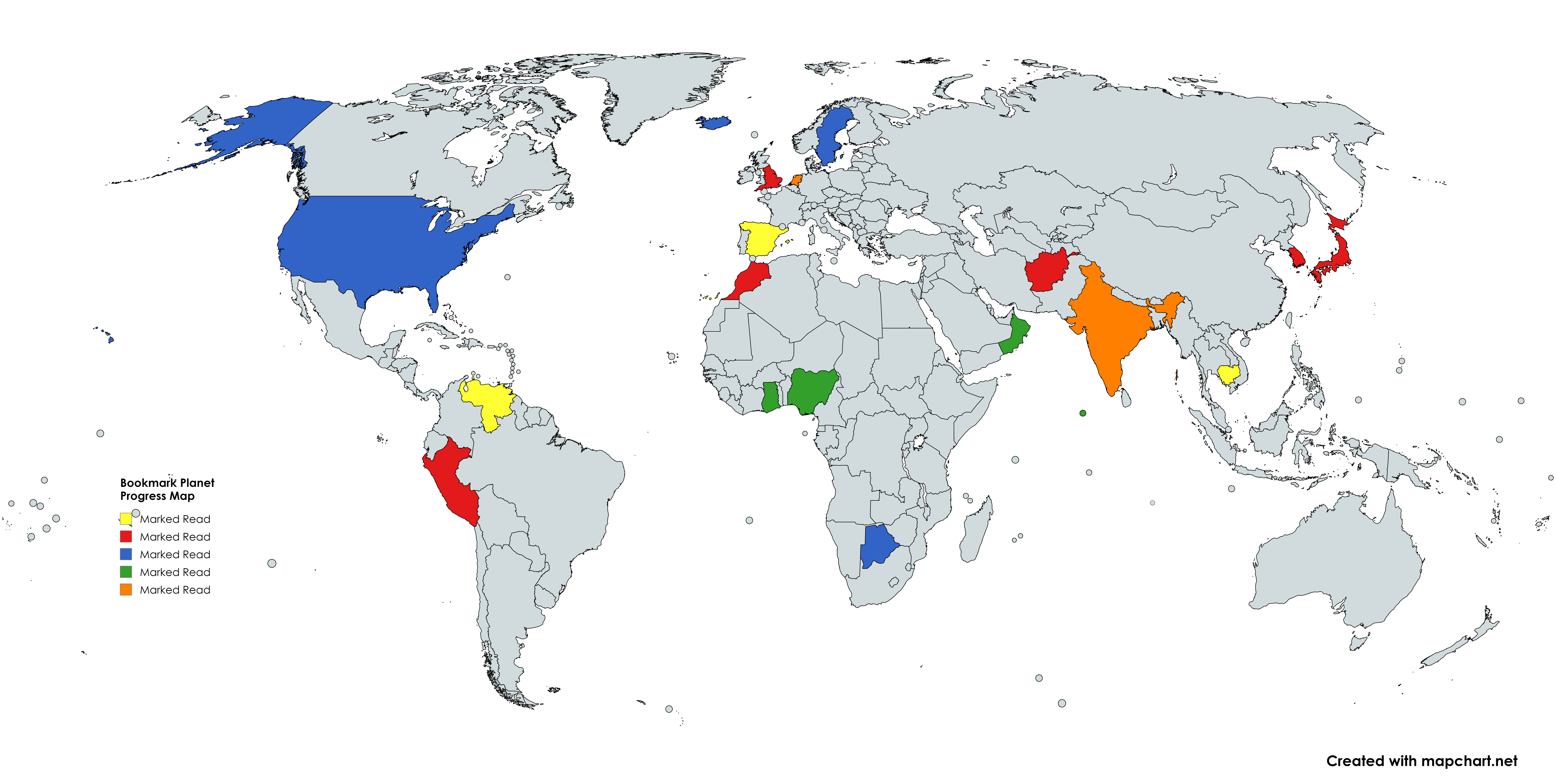
As I wrote at the top of this post, the itinerary for my reading journey is a loose one, so if you have suggestions for something to read from anywhere that I haven’t yet gotten to, please let me know. Otherwise, keep on reading.
There are so many books to choose from when it comes to Afghanistan. Khaled Hosseini is a fantastic writer but for my project, I decided to go with lesser known writers. I know you're done with Afghanistan but if you're curious about the history and the culture, I highly recommend Games Without Rules: An Often Interrupted History of Afghanistan by Tamim Ansary.